

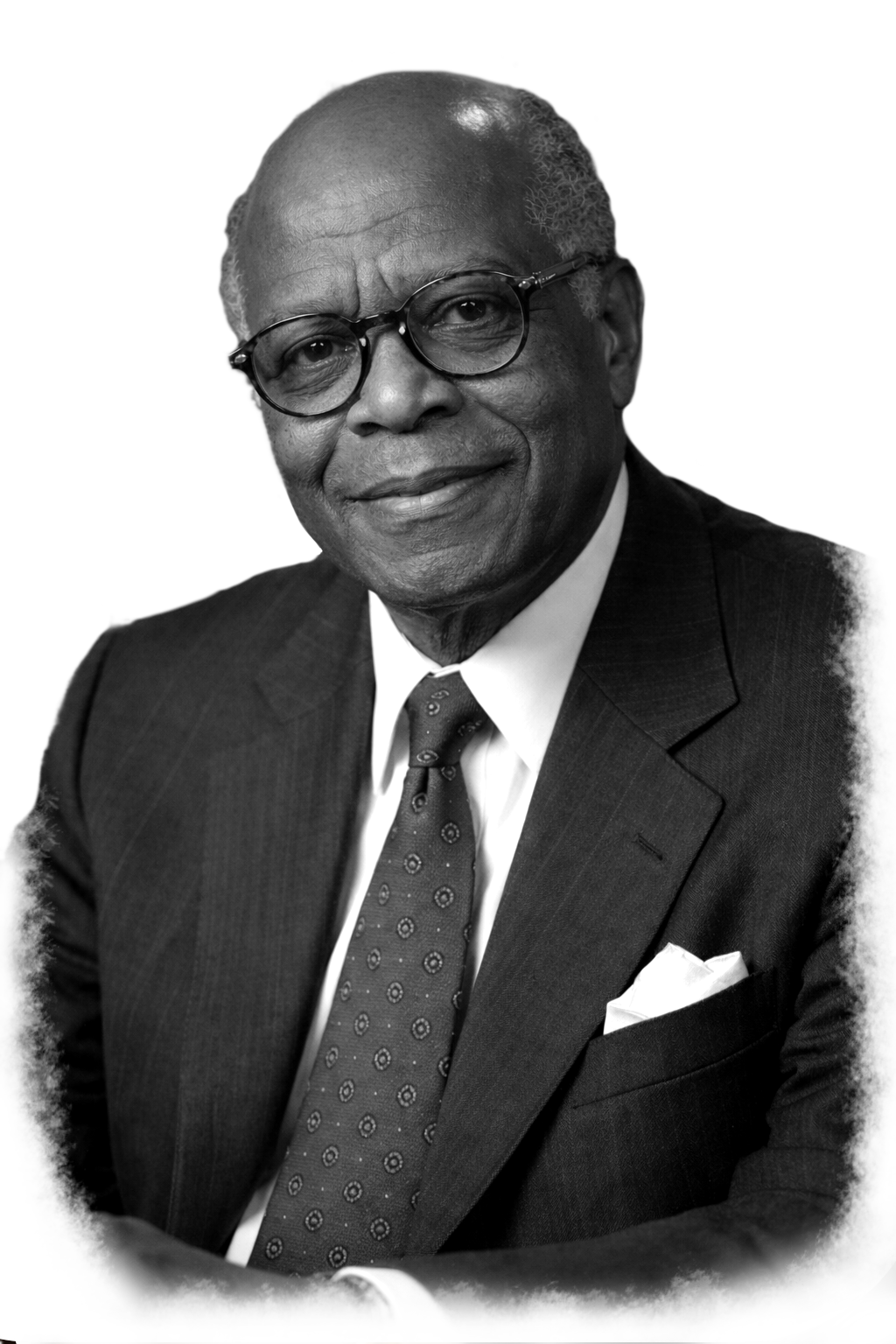
William Arthur Lewis was one of the most influential economists of the twentieth century and a towering intellectual figure in the study of economic development. Born on 23 January 1915 in Castries, Saint Lucia, Lewis would go on to become the first Black Nobel Prize winner in economics, reshaping how scholars and policymakers understand growth, inequality, and the challenges facing developing nations.
Lewis showed exceptional academic promise from an early age. After moving to Britain as a teenager, he studied at the London School of Economics (LSE), where he excelled despite facing racial barriers that limited opportunities available to him at the time. He completed his studies with distinction and became the first Black lecturer in Britain at the London School of Economics. His early career combined rigorous economic theory with a deep concern for real-world problems, particularly those confronting poorer countries emerging from colonial rule.
Lewis is best known for his ground-breaking work on development economics, especially his dual-sector model of economic growth, first articulated in his 1954 paper “Economic Development with Unlimited Supplies of Labour.” In this model, Lewis argued that many developing economies consist of two sectors: a traditional, subsistence agricultural sector with surplus labour, and a modern, industrial sector capable of higher productivity. Economic development, he proposed, occurs when surplus labour moves from agriculture to industry, allowing profits to be reinvested and growth to accelerate. This framework became a foundational theory in development economics and influenced decades of research and policy across Africa, Asia, and the Caribbean.
Beyond theory, Lewis was deeply engaged in policy and institution-building. He served as an economic adviser to numerous governments, including Ghana during the early years of independence under Kwame Nkrumah. Lewis believed that political independence without economic transformation would leave nations vulnerable to poverty and external dependence. His advice consistently emphasised industrialisation, education, and long-term planning rather than short-term fixes. He also worked with international organisations such as the United Nations, helping shape global thinking on development during the post-war period.
Lewis’s academic career was truly global. He held professorships at institutions including the University of Manchester, Princeton University, and later returned to LSE. In 1978, he became the founding president of the Caribbean Development Bank, demonstrating his continued commitment to the economic progress of the region from which he came. Throughout his career, he combined scholarly excellence with a sense of responsibility to use economics as a tool for social improvement.
In 1979, Lewis was awarded the Nobel Memorial Prize in Economic Sciences, jointly with Theodore Schultz, for his research into economic development with particular consideration of the problems of developing countries. The award recognised not only his theoretical contributions but also the moral clarity of his work: Lewis insisted that economics must address inequality, underemployment, and the structural disadvantages inherited from colonialism.
William Arthur Lewis’s legacy endures today. His ideas remain central to debates about global inequality, industrial policy, and sustainable development. Perhaps just as importantly, his life stands as a powerful example of intellectual excellence overcoming systemic barriers. From a small Caribbean island to the heights of global academia, Lewis demonstrated that rigorous thought, combined with a commitment to justice and progress, can change how the world understands itself—and how it chooses to grow.